Optimal Timing for Honeysuckle Removal
Understanding the optimal timing for honeysuckle removals is essential for effective control and minimizing regrowth. The timing depends on the plant's growth cycle, local climate, and specific removal goals.
Early spring is ideal for removing honeysuckle before it fully leafs out, reducing energy reserves and preventing seed production.
Late summer can also be effective, especially for targeting mature plants before dormancy sets in.
Fall removal is suitable when the plant's growth slows, allowing for easier removal and reducing regrowth potential.
In colder climates, winter removal can be effective when the plant is dormant, although accessibility may be limited.
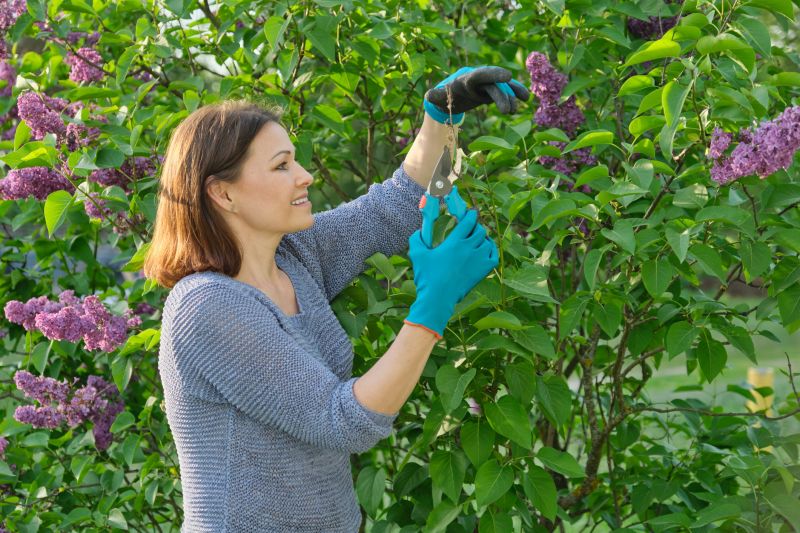
Honeysuckle blooms in late spring to early summer, making this an important period for removal before seed set.
Dormant honeysuckle plants are easier to remove and less likely to regrow.
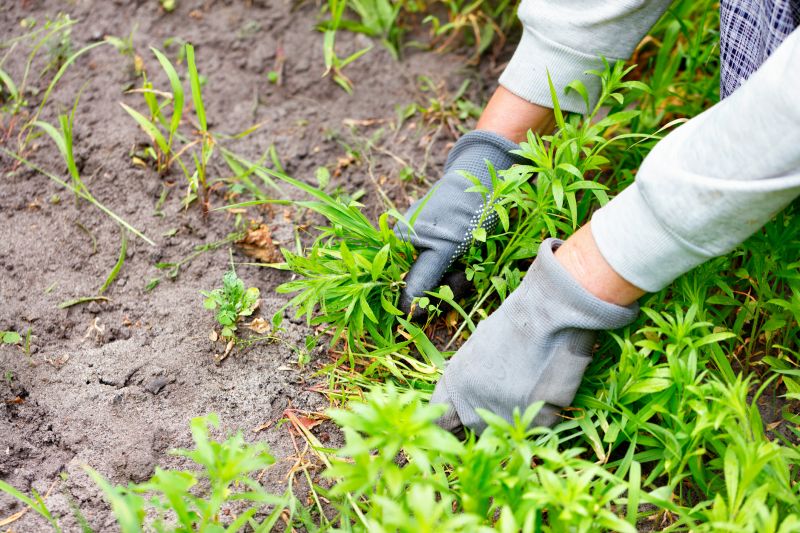
Proper timing ensures minimal regrowth and healthier landscape management.
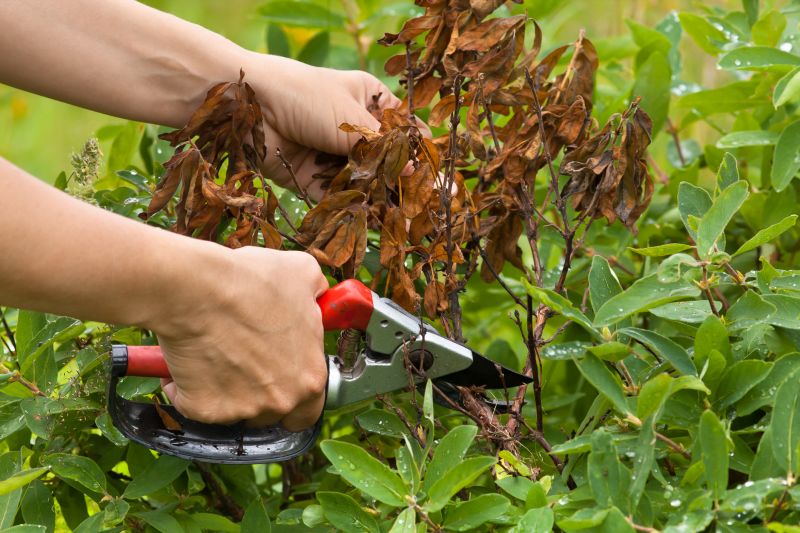
Ways to make Honeysuckle Removals work in tight or awkward layouts.
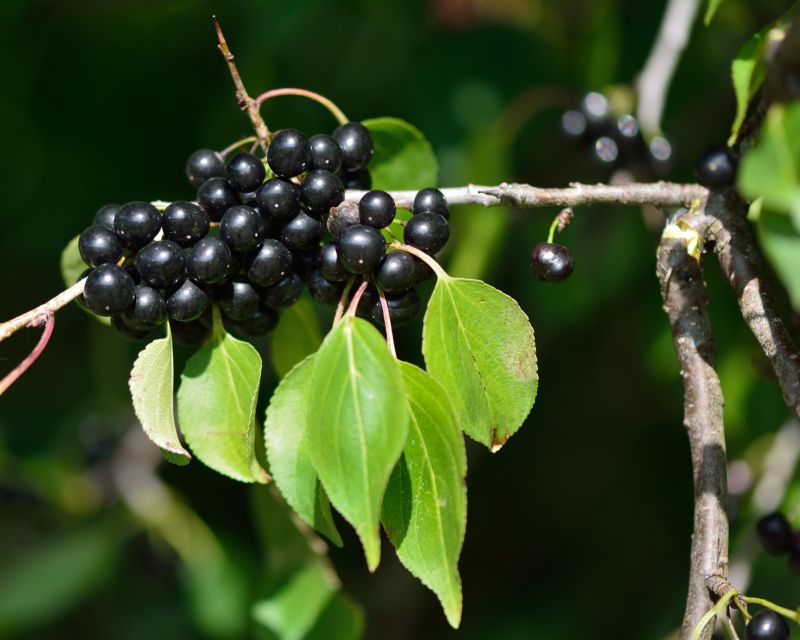
Popular materials for Honeysuckle Removals and why they hold up over time.
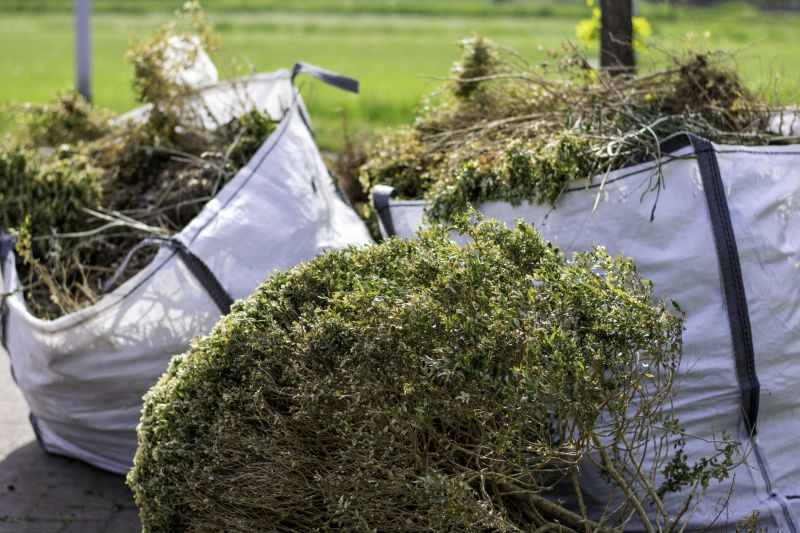
Simple add-ons that improve Honeysuckle Removals without blowing the budget.
| Timing | Ideal Conditions |
|---|---|
| Spring | Before leaf-out, when growth is just beginning |
| Late Summer | Before seed production and dormancy |
| Fall | When growth slows and plants are preparing for dormancy |
| Winter | During dormancy in colder climates |
Honeysuckle removal is most effective when timed according to the plant's growth cycle. Proper timing can significantly reduce the likelihood of regrowth and help maintain landscape health. Regular monitoring and removal during the optimal periods can prevent honeysuckle from spreading and taking over native plants.
Statistics indicate that early spring and late summer are the most successful periods for honeysuckle removal, with success rates exceeding 70% when performed during these times. Timing also affects the ease of removal, with dormant plants being less resilient and easier to extract completely.
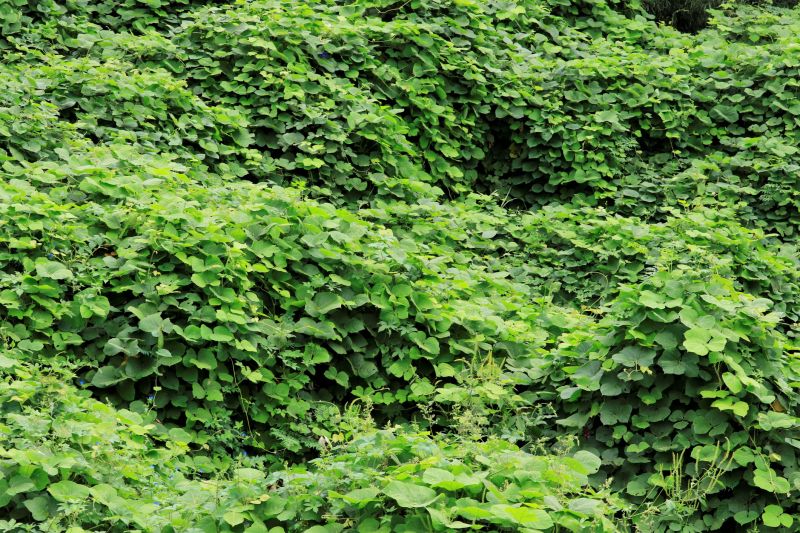
Dense honeysuckle growth before removal efforts.
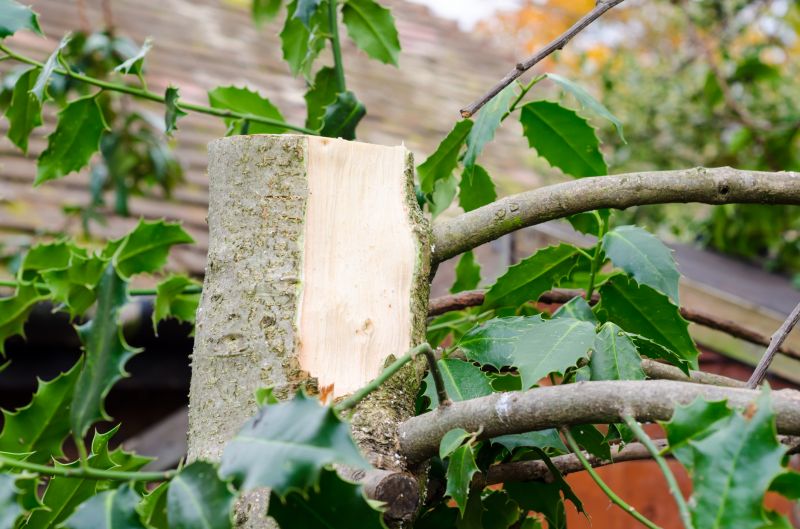
Removing honeysuckle during optimal timing for best results.
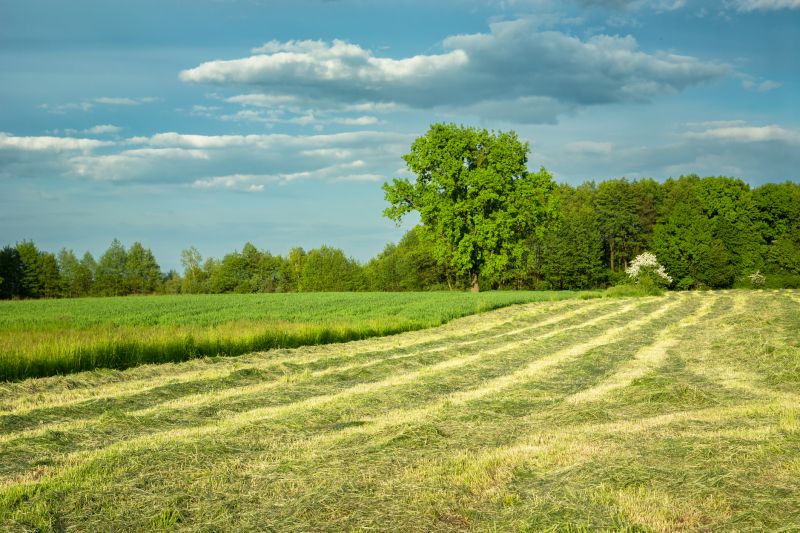
Post-removal landscape showing cleared area.
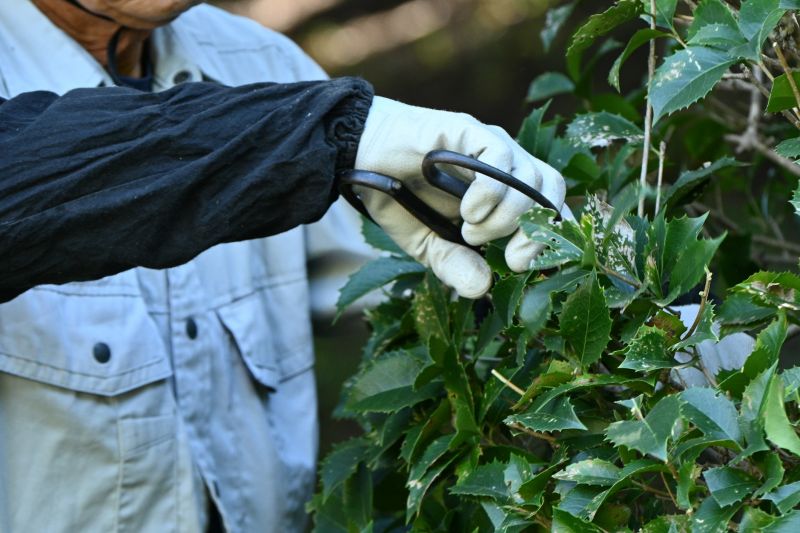
Monitoring for regrowth after removal.
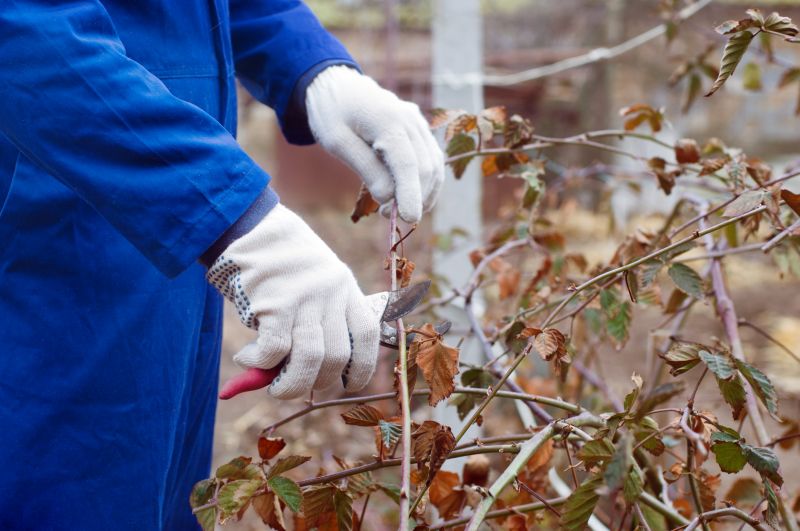
High-end options that actually feel worth it for Honeysuckle Removals.
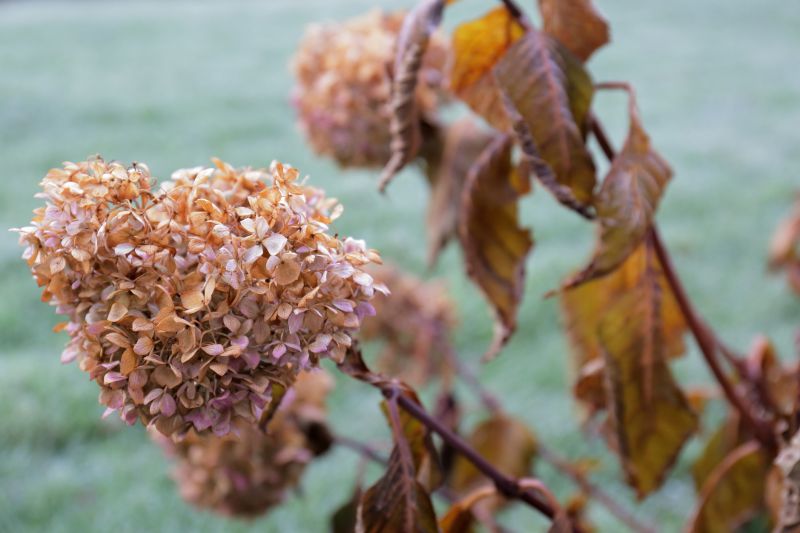
Finishes and colors that play nicely with Honeysuckle Removals.

Little measurements that prevent headaches on Honeysuckle Removals day.
A 60-second routine that keeps Honeysuckle Removals looking new.
Interested in managing honeysuckle effectively? Filling out the contact form can provide additional guidance on timing and removal strategies tailored to specific landscapes.